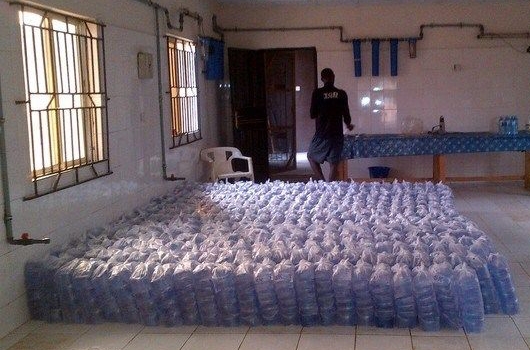
A sudden halt in sachet water production across Imo State has triggered widespread scarcity and dramatic price surges, leaving many residents struggling to access affordable drinking water.
Manufacturers, under the umbrella of the Association of Table Water Producers (Imo State chapter), suspended operations for an initial three-day period starting Monday. The decision stems from rapidly rising production expenses that have rendered continued output financially unsustainable without price adjustments.
The key cost drivers include sharp increases in the price of nylon rolls used for sachet packaging, diesel for powering generators, electricity tariffs, water treatment chemicals, and general transportation charges. Producers say these escalating inputs have squeezed profit margins to the breaking point.
The impact has been immediate and severe. A standard bag of sachet water (20 sachets), previously sold for around ₦350–₦400, is now being offered between ₦500 and ₦700 in many parts of Owerri. Street vendors who once sold three sachets for ₦100 are now charging ₦100 per single sachet. In high-demand locations such as areas near the Federal University of Technology Owerri (FUTO), reports indicate bags fetching as much as ₦1,200 due to panic buying and extremely limited supply.
Residents have voiced deep frustration. Many households and individuals who depend on “pure water” as their primary source of safe, low-cost hydration are now forced to seek more expensive bottled alternatives or less reliable sources. The situation is especially challenging during the current hot weather, heightening concerns about dehydration and hygiene.
While some producers have described the pause as necessary maintenance or a short protest rather than an outright strike, the net effect on the market has been a significant drop in availability across the state capital and surrounding communities.
Industry stakeholders warn that if production costs remain unchecked, the current three-day suspension could extend or lead to more permanent adjustments, including higher retail prices or reduced output.
As the initial suspension period concludes, attention is focused on whether full production will resume or if further measures will be required. Residents are calling for swift resolution to restore normal supply and ease the financial strain on daily life.
Local authorities and the producers’ association have appealed for calm while discussions on cost relief and pricing continue.