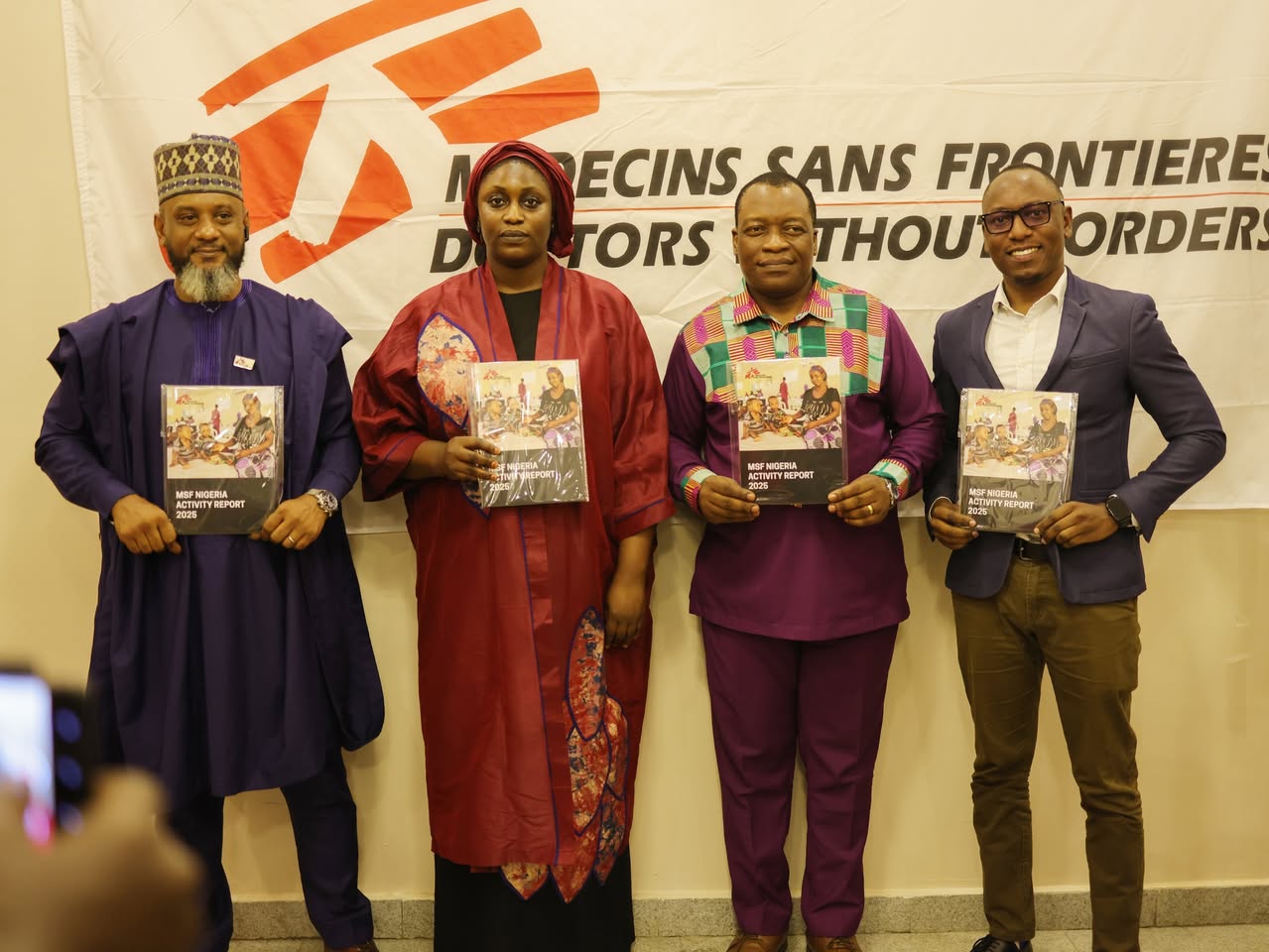
• Highest cases recorded in 2025 From Fred Ezeh, Abuja Médecins Sans Frontières (MSF), also known as Doctors Without Borders, has raised the alarm over the growing cases of malnutrition among children in Nigeria, particularly in the northern region. MSF disclosed that its data showed that over 400,000 new cases of malnutrition were recorded in 2025 across the 10 northern states where it operates. According to the organisation, the figure places Nigeria at the top of 77 countries where MSF provides humanitarian services. MSF has operated in Nigeria since 1996, responding to disease outbreaks, disasters, emergency health needs and gaps in healthcare access nationwide. The organisation supports paediatric and maternal healthcare, treatment for malnutrition, tuberculosis, measles and malaria, while also providing mental health services and care for survivors of sexual violence. Country Representative of MSF in Nigeria, Dr. Ahmed Aldikhari, who spoke in Abuja yesterday during the public presentation of the Nigeria Activity Highlights for 2025, said 353,989 children with severe acute malnutrition were treated through MSF-supported outpatient programmes while 90,723 children requiring specialised care were admitted into stabilisation centres nationwide. According to him, the figures represent a 20 per cent increase in severe acute malnutrition cases treated and a 15 per cent rise in admissions compared to 2024. He said MSF teams had observed a steady rise in malnutrition cases across northern Nigeria since 2022, with 2025 marking the peak of the crisis so far. “Malnutrition is not only about lack of food. It is closely linked to preventable diseases such as measles, diphtheria, meningitis and malaria, which weaken children further and push them into severe malnutrition,” he said. “ Nigeria risks having a future population that is unhealthy both physically and mentally…Therefore, urgent attention is needed to improve the situation,” he said. He stressed that the situation requires urgent intervention from all levels of governments and relevant stakeholders. Aldikhari identified conflict, insecurity, inflation, displacement, flooding and drought as factors limiting access to healthcare services and adequate food supplies across affected communities. He said MSF provided inpatient and outpatient care, ready-to-use therapeutic food, vaccination campaigns and nutrition interventions using locally available nutrient-rich foods such as Tom Brown. On governments’ response, Aldikhari said MSF was collaborating with key ministries and engaging the Presidency to ensure the malnutrition crisis received sustained national attention. “Last year, we had the biggest conference for combating malnutrition in the North West, where we also had commitments from governors to ensure action is taken. “We are beginning to see some action, but these actions are still not enough.” He also warned of a widening global funding gap caused by donor withdrawal, emphasising that governments and communities must strengthen food systems and healthcare delivery mechanisms. On disease outbreaks, the Medical Activity Manager, Shafa’atu Abdulkadir, said MSF treated 38,753 children for measles and 6,123 for diphtheria nationwide in 2025. She added that 985 patients were treated for meningitis while 341,239 received treatment for malaria across MSF-supported facilities in the country. According to Abdulkadir, MSF also supported vaccination of more than 300,000 children against measles, meningitis and diphtheria through nationwide immunisation campaigns. She said Nigeria continued to face seasonal outbreaks of cholera, Lassa fever, meningitis, measles, diphtheria and typhoid fever, especially during the rainy season annually. Abdulkadir emphasised that many disease outbreaks remained preventable through vaccination, timely diagnosis, safe water access and early treatment interventions in vulnerable communities. MSF Medical Coordinator, Dr. Bukola Oluyide, in a presentation, explained that the organisation was deploying different strategies to respond to the rising cases of malnutrition across the affected states. “We have out-patient malnutrition cases. These are children between the ages of six months and 59 months who are admitted and screened. Based on the outcome, they are placed on routine follow-up visits and given what we call Ready-to-Use Therapeutic Food. These children are regarded as stable, although they are malnourished. “We also have in-patient cases, or what we call stabilisation centres. These are children with Severe Acute Malnutrition (SAM) and other complications such as measles and malaria. They are admitted for proper care and, once stable, they are referred to out-patient nutrition centres. “We equally run some community-based programmes aimed at involving communities in screening children for malnutrition and creating awareness about danger signs so that cases can be referred early. “We also promote local approaches by identifying nutritious foods available within communities. “Sometimes, malnutrition results from a lack of knowledge about proper nutrition. We have a programme known as the locally innovative approach where Tom Brown is promoted. We carry out demonstrations at out-patient centres to ensure continuity of proper feeding even after discharge from nutrition centres.” Dr. Shafa’atu Yusuf Abdulkadir, medical activity manager of the Nigeria Emergency Medical Team, MSF, said responding to disease outbreaks has been overwhelming, especially in areas facing security challenges. “We hardly visit some of these places because of the difficult terrain and security concerns. Even when catch-up vaccination programmes are conducted by the Federal Ministry of Health and Social Welfare, not all children are reached. Hence, those unreached children become a public health threat to others,” she said. Dr. Louis Vala, Medical Coordinator at MSF, speaking on maternal health, disclosed that the organisation supported several paediatric and maternal healthcare services in 2025. Vala, said Nigeria remains among countries with the highest maternal and newborn mortality rates globally in spite of existing interventions. According to him, MSF assisted 33,590 deliveries, conducted 119,469 antenatal consultations and carried out 224 Vesico-Vaginal Fistula (VVF) surgeries during the reporting period. He said maternal healthcare remained a priority, with MSF supporting a 50-bed referral hospital that provides Comprehensive Emergency Obstetric and Newborn Care (CEmONC), including intensive care and neonatal intensive care units. According to the report, a collaborative effort between MSF and the Ministry of Health at the Kushari facility led to the treatment of 7,755 pregnant women, while 6,483 deliveries were successfully assisted through both Comprehensive and Basic Emergency Obstetric and Newborn Care services. The report further stated that MSF provided secondary-level paediatric care for children aged 15 years and below at the Gwange Primary Healthcare Hospital. “The 70-bed ward, which expanded to 200 beds during malaria and measles outbreaks, treated 16,105 patients, including 48,588 malaria-specific treatments,” the report added.
Nigeria tops 77 countries in malnutrition cases –MSF