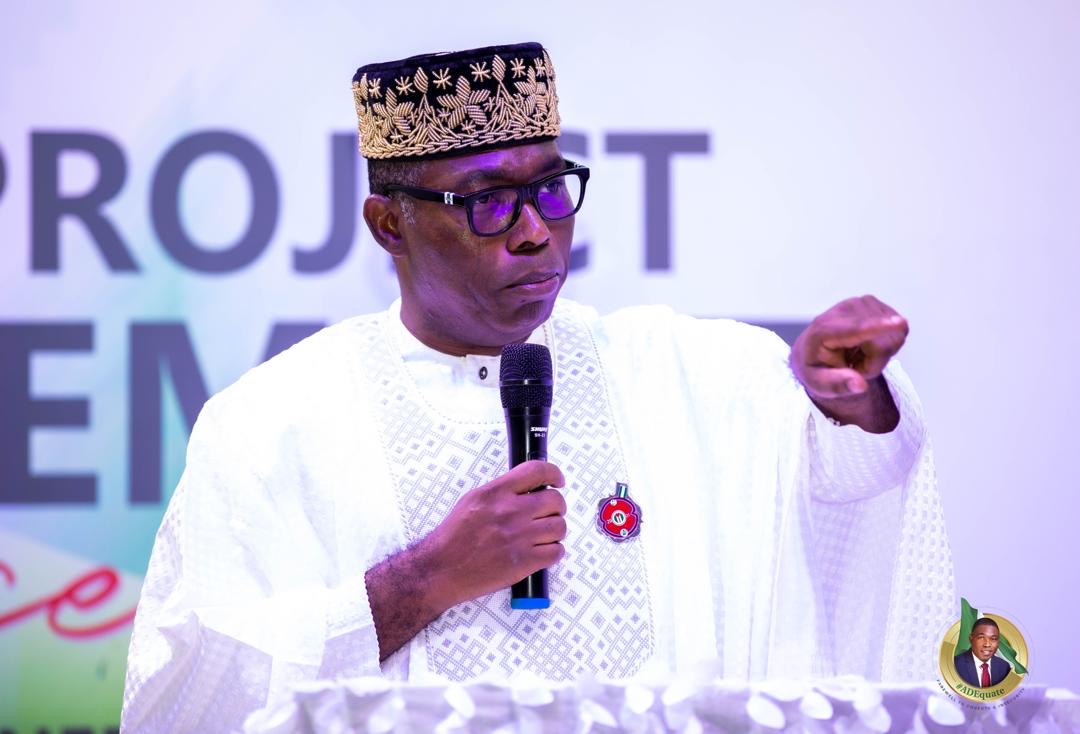
By Sunday Ani Prince Adewole Adebayo, the Social Democratic Party (SDP) presidential aspirant, has declared that Nigeria requires a systemic shift to establish robust institutions rather than relying on “strongmen”. Speaking in an interview, Adebayo—who asserted that his party represents the only true ideological opposition in Nigeria ahead of the 2027 general elections—argued that political opposition has often been erroneously defined by ethnic and religious lines rather than clear policy alternatives. He maintained that the SDP stands apart due to its consistent commitment to social democratic ideals rooted in the Nigerian Constitution and the party’s manifesto. He criticised what he described as “transactional opposition”, driven by personalities and short-term political gains, insisting that his party is focused on long-term national development. “We don’t follow personalities; we follow processes,” he said, emphasising the need for governance anchored on principles that deliver the greatest good for the majority. Addressing concerns regarding the SDP’s visibility, he stated the party is prioritising grassroots mobilisation over media attention, revealing that it has continued to record steady membership growth through digital registration. He admitted that lessons from the 2023 elections, including low voter turnout and logistical challenges, have shaped the party’s renewed strategy. On the issue of vote-buying, he condemned monetary inducement in elections, warning that the growing influence of money in politics is a serious threat to Nigeria’s democracy and economic stability. He stressed that the SDP’s approach is centred on voter education and building a system where citizens make informed choices. He also expressed reservations about the credibility of Nigeria’s electoral system, noting that key reform opportunities—including recommendations by the Uwais Electoral Reform Panel—were not fully implemented. However, he maintained that credible elections are still achievable if Nigerians actively participate and demand accountability. Looking ahead, he outlined his priority areas, which include security, the effective management of public finances, and job creation. He argued that Nigeria’s economic challenges stem largely from systemic failures, including revenue leakages and weak governance structures. He concluded that Nigeria’s future depends on shifting from personality-driven politics to a system built on fairness, accountability, and social investment, urging citizens to take a more active role in shaping the country’s democratic process.
Nigeria needs system change, not strongmen – Adebayo